
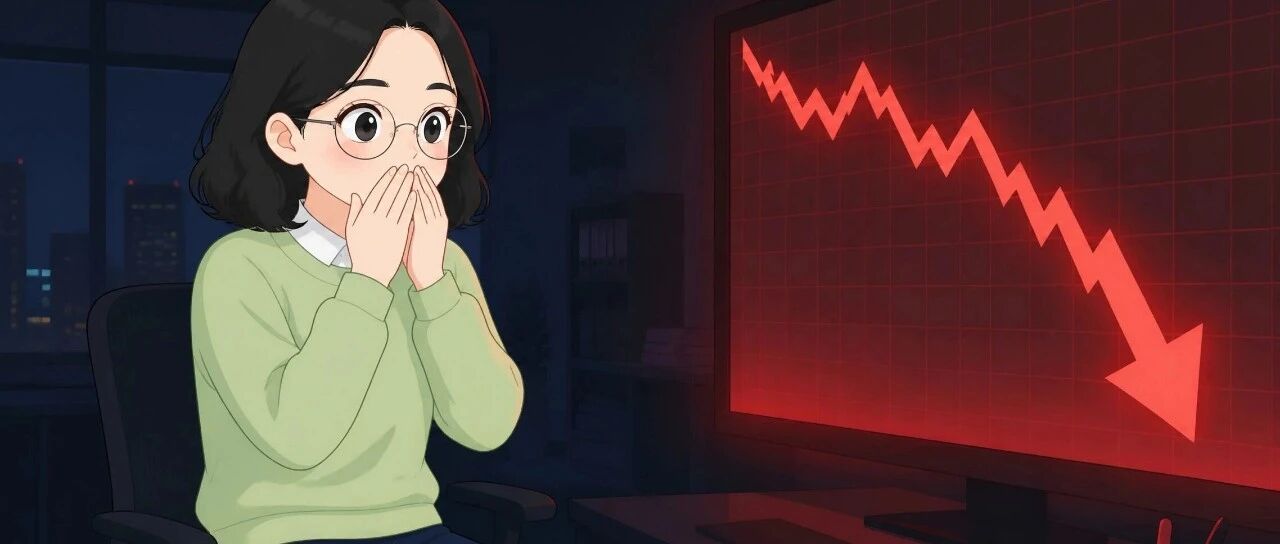
Have you noticed? Over the past few years, Bitcoin has morphed from a "geek's toy" into "Wall Street's gambling table."
Back in the day, when people talked about crypto, the image that came to mind was a guy hunched over his computer mining coins in a dark room. Now? It's suit-and-tie fund managers who, with a few keystrokes, send hundreds of millions of dollars rushing in.
I've noticed that in the last few days, the crypto market has staged a "plot twist" more dramatic than any TV series. Honestly, even screenwriters wouldn't dare write this.
Here's what happened: On September 3, nearly $900 million in funds poured into Bitcoin and Ethereum ETFs in a single day. Nine hundred million. In one day. To put that in perspective, that's over $6 million burned every minute.
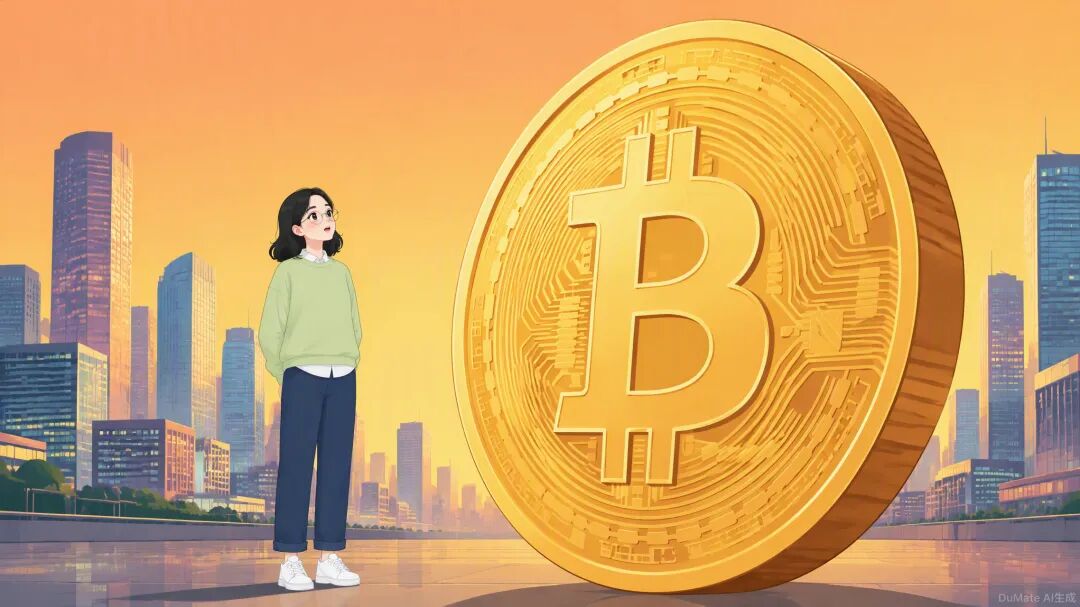
You might be thinking: With that kind of massive inflow, Bitcoin must be about to take off, right? It's safe now, right?
Hold On, the Twist Is Coming
Just as everyone assumed the $80,000 mark was locked in, on the afternoon of September 4, the U.S. Labor Department dropped a bombshell: August nonfarm payrolls surged by 162,000, beating every economist's forecast. The unemployment rate also held steady at a low 4.1%.
Notice something? On the surface, this looks like good news—strong job growth means a robust economy. But the logic of financial markets runs completely opposite to what ordinary folks expect.
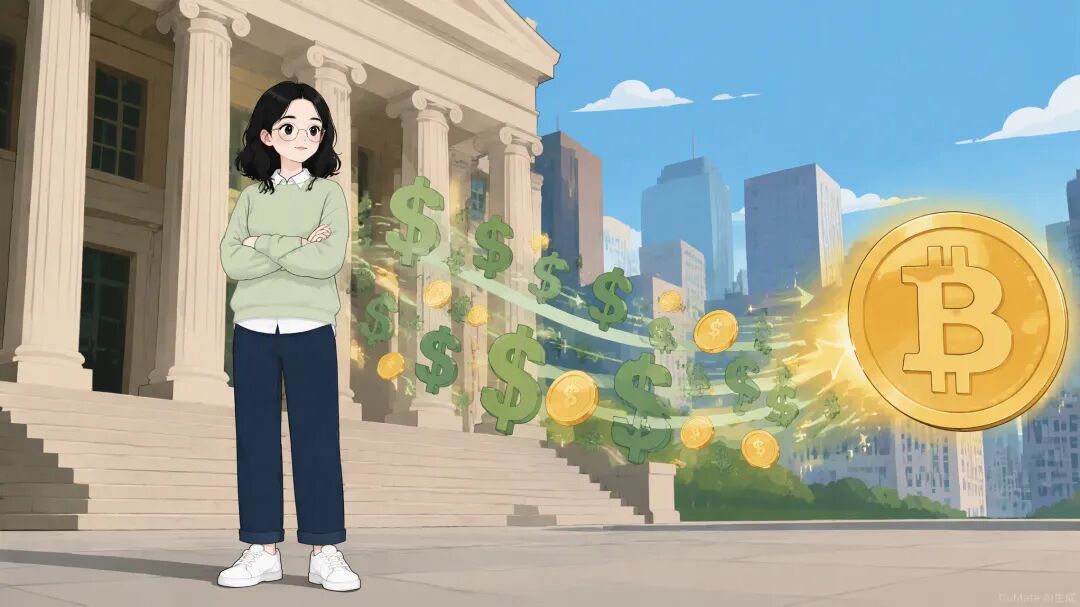
Strong employment means the Fed might not cut rates—it could even hike them. When rates are high, money tends to stay in the bank earning interest. Who's going to touch volatile cryptocurrencies then?
In plain terms, a booming economy actually hurts risk assets. Makes sense, doesn't it?
And what happened? Bitcoin got slammed from its $81,000 high down to below $79,000. In a single day, it shed a good chunk of value.

Institutions Are Stockpiling, Retail Investors Are Hesitating
Interestingly, amid this "roller-coaster" ride, some big players have been adding positions against the trend.
I've learned that a company called Strategy—formerly MicroStrategy—after a two-month pause, suddenly bought $370 million worth of Bitcoin at an average price of around $80,300. Yes, you read that right: $370 million.
Then there's American Bitcoin, which has stacked up 8,300 BTC with a gross margin close to 50%. Eric Trump has even publicly called for the U.S. to take the lead in the Bitcoin economy.
But on the flip side, data shows that the Bitcoin premium on Coinbase has been negative for four consecutive months. What does that mean? It means retail investors in the U.S. have been steadily losing appetite for buying Bitcoin.
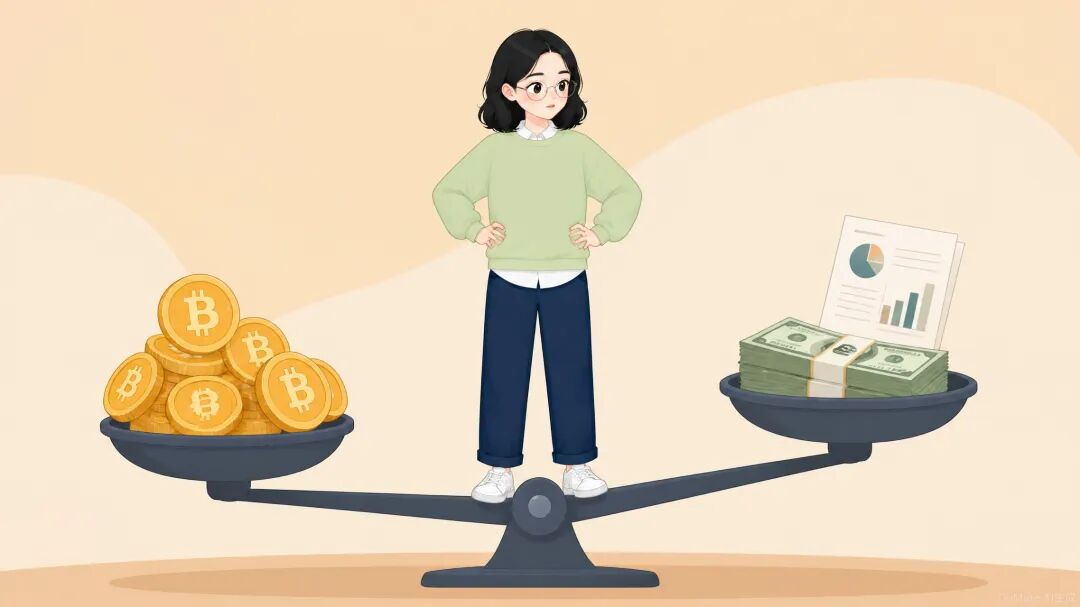
See the picture now?Institutions are hoarding, retail is sitting on the sidelines. Two completely opposite moves.
This reminds me of an old saying—when institutions are aggressively building positions, it's often because they need retail investors to take the other side. Of course, that's not my words; it's a common line of thinking among market watchers. Whether it holds true, you be the judge.
Why Is $80,000 So Hard to Hold?
Put simply, the $80,000 threshold is no longer just a price level—it's become a "line of faith."
Hold above $80K, and market sentiment turns optimistic, with visions of reaching for the stars. Lose it, and panic spreads, with fears of sliding back into a bear market.
Some analysts have warned that the $83,000–$86,000 range could see concentrated profit-taking. What does that mean? It means people who bought at lower levels will be tempted to sell, sell, sell at these prices to lock in gains.
There's also something else worth pondering: TD Cowen has cut its year-end Bitcoin target to $97,500. Previously, they were calling for much higher. Even institutions are dialing back their expectations—what does that tell you? It tells you uncertainty is definitely on the rise.
From my own observation, Bitcoin's price has never been driven by "faith" alone. It's the product of a tug-of-war among three forces: macroeconomic policy, institutional capital, and retail sentiment. If any one of those shifts even slightly, the price goes on a roller-coaster ride.