

Hi everyone, this is Dazhi.
Yesterday we talked about Satoshi Nakamoto—the person who invented Bitcoin and then deliberately vanished. I ended with a question: this Bitcoin he created—is it really a "currency you can buy groceries with," or is it more like "gold you can hoard"?
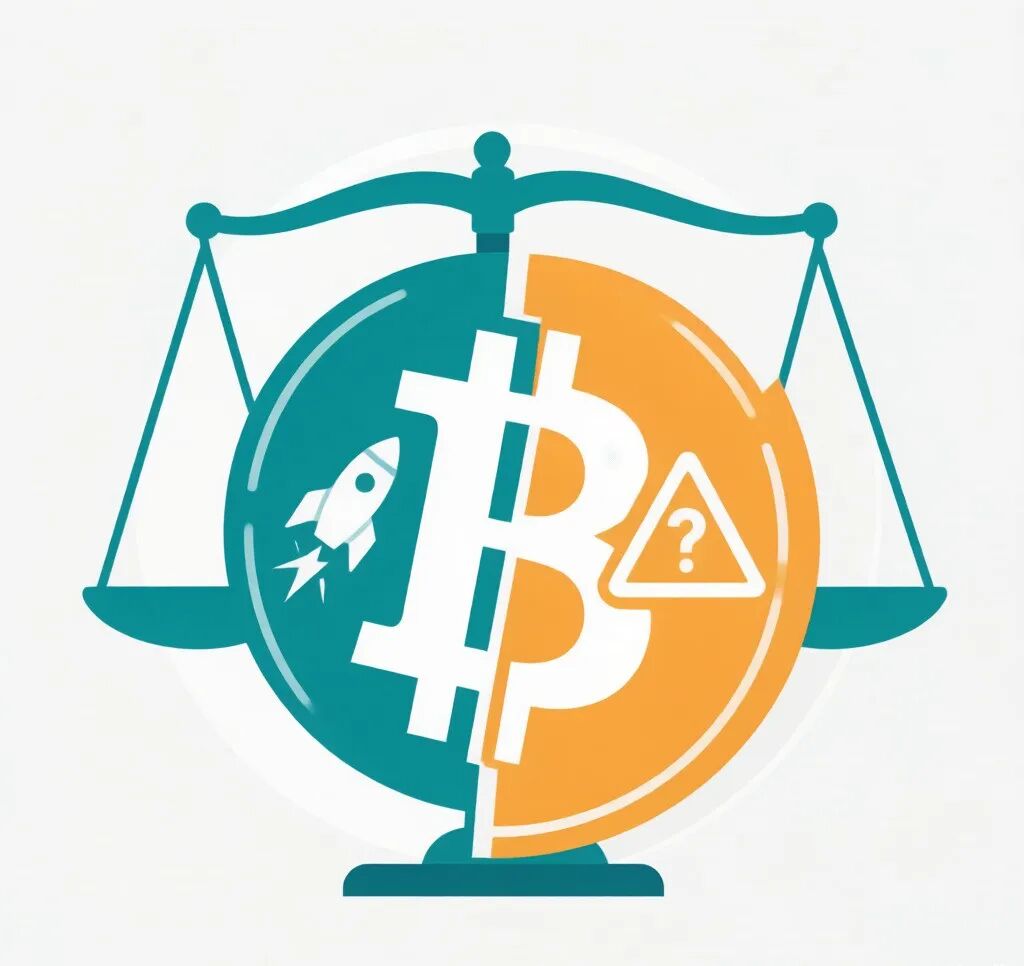
Today, let's push that question one step further. You'll notice that in many people's eyes, Bitcoin is either a "scam of the century" or a "disruptive revolution." The two sides argue endlessly—so who's actually right?
💡 Dazhi's hot take: Whether Bitcoin is a scam isn't something you can answer in one sentence. The key is which perspective you're looking from—the "ruler" you use determines the conclusion you get.
First, let's hear from the bears—what exactly are they afraid of?
First, Bitcoin has "no intrinsic value" behind it. The gold in your hands can be made into jewelry or used in industry; the stocks you buy are backed by a company's revenue and profits. Bitcoin? At its core, it's just a string of code—it doesn't generate any cash flow on its own.
Second, the volatility is off the charts. Up 20% today, down 30% tomorrow—would you dare use something like that to buy groceries? Wild price swings completely kill its "currency attribute"—no one wants to use something that could lose a third of its value overnight as money.
Third, it's too easy to use for scamming people. Precisely because the concept is new and the barrier to entry is high, a bunch of people use "Bitcoin faith" as a front to run Ponzi schemes and pyramid recruitment. What the bears fear most is actually this—using Bitcoin's name to commit real fraud.
Now let's look at the bulls—what do they see in it?
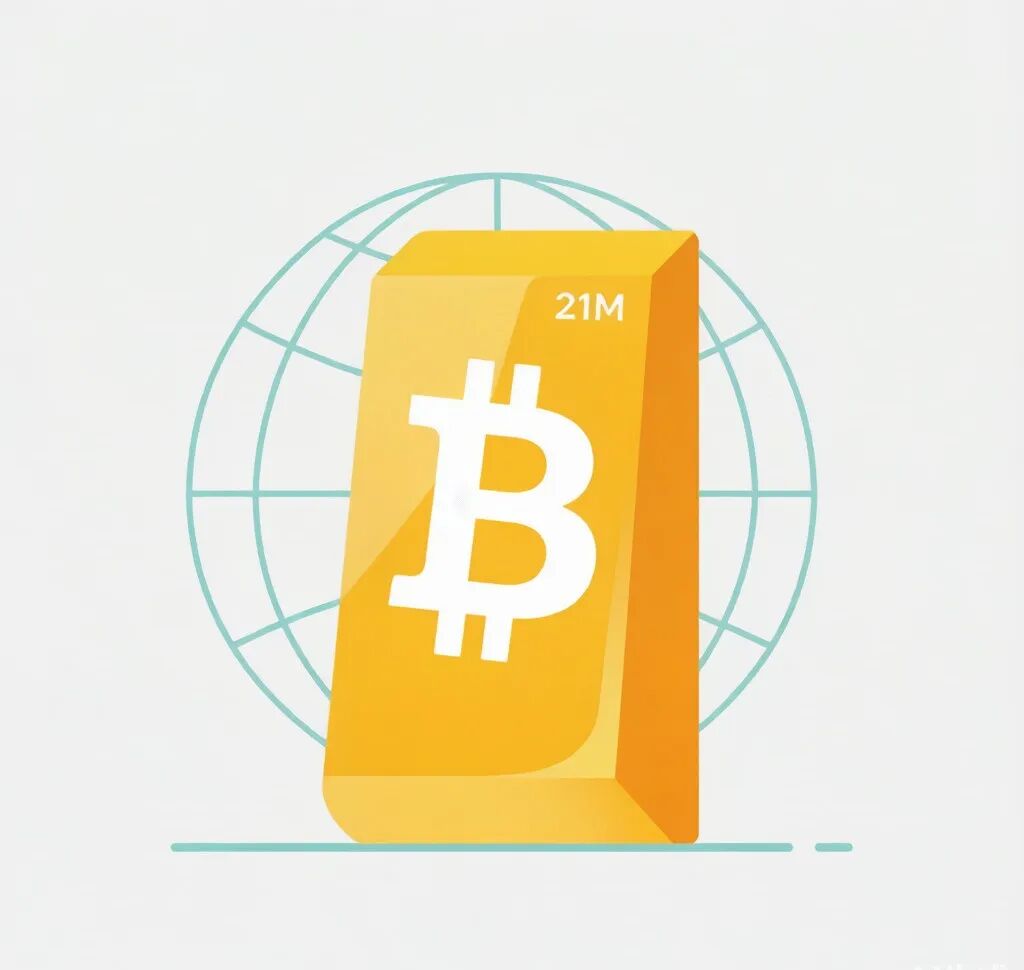
First, it's "digital gold." The total supply is hardcoded into the code—there will only ever be 21 million coins, and no one can mint more. Fiat currencies can print endlessly; can Bitcoin? No. This scarcity is exactly the foundation that has earned gold humanity's trust for thousands of years.
Second, no one can change its rules. No government or bank can freeze your Bitcoin, and no one can secretly inflate the supply. The code calls the shots, and the rules run themselves—this perfectly echoes Satoshi's original vision of "don't trust people, trust rules."
Third, it's becoming a "global consensus." More and more institutions—even countries—are starting to treat it as a reserve asset. The bulls will quote an old saying: back in the day, no one believed in the internet. Look where we are now.
🧭 Dazhi's key point: The clash between these two perspectives isn't about "who's right and who's wrong"—it's about whether you're looking at it as an "investment asset" or a "tech experiment." The most common mistake ordinary people make is buying with the mindset of buying gold, but selling with the mindset of gambling.
Dazhi's stance: I'm not picking a side, just giving you a framework
I'm neither a "cheerleader" telling you to go all in, nor a "doomsayer" scaring you into running away.
All you need to remember is one thing: understanding these two perspectives at least keeps you from being exploited by "get-rich-quick narratives." When someone tells you "Bitcoin is definitely going to $1 million," you can immediately recognize—that's the bullish narrative. When someone tells you "this is a scam, sell now," you also understand—that's the bearish narrative.
When you have a framework in your own head, you won't be led around by other people's emotions. That's also the original purpose behind this 30-day series: I'm not here to make conclusions for you, just to help you see more clearly.
So back to the question at the start: Is Bitcoin a scam or a revolution? The answer isn't in my words—it's in your own framework for judgment.
But after all this, I've noticed a very common phenomenon—many people confuse "Bitcoin" with "blockchain." Bitcoin is just the first application that ran on blockchain; blockchain's capabilities are far bigger than Bitcoin. Tomorrow, Dazhi will break down for you exactly where the two differ.
If you think Dazhi's take is fair, hit "Watching" and forward this to that friend who yells "scam" at the mention of Bitcoin, or the one who yells "get rich quick"—this one forward might just help them see things from a different angle.
⚠️ Risk Disclaimer
Virtual currency trading is not protected by law in China. This article is for technical concept education only and does not constitute any investment advice. Please stay rational, act within your means, and never enter blindly.
—— Dazhi · Explaining Web3 / AI in Plain Language ——